Choosing the right lock for a rental property is not just about security. It also affects insurance, tenant safety, maintenance costs, and how easy the property is to manage over time.
For landlords and letting agents, the best lock is usually one that balances security, durability, and compliance. A good choice should protect the property without creating avoidable callouts, key issues, or tenant complaints.
Why lock choice matters
Rental properties face more turnover than owner-occupied homes, which means locks are used more often and keys change hands more frequently. That makes reliability just as important as security.
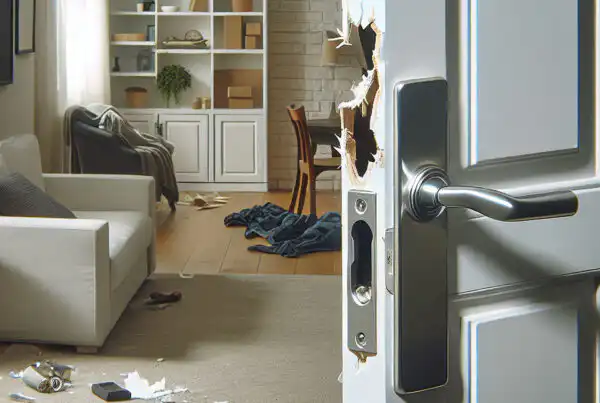
A weak or outdated lock can create problems with break-ins, insurance claims, and emergency access. It can also make a property harder to let if tenants feel unsafe.
What a landlord lock should do
A suitable lock for a rental property should do three things well.
-
Resist common burglary methods.
-
Meet relevant UK security expectations.
-
Keep day-to-day maintenance simple.
That usually means choosing a lock that is tested to a recognised standard rather than the cheapest available option.
Best lock types by door
The best lock depends on the type of door fitted to the property.
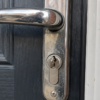
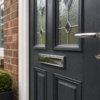
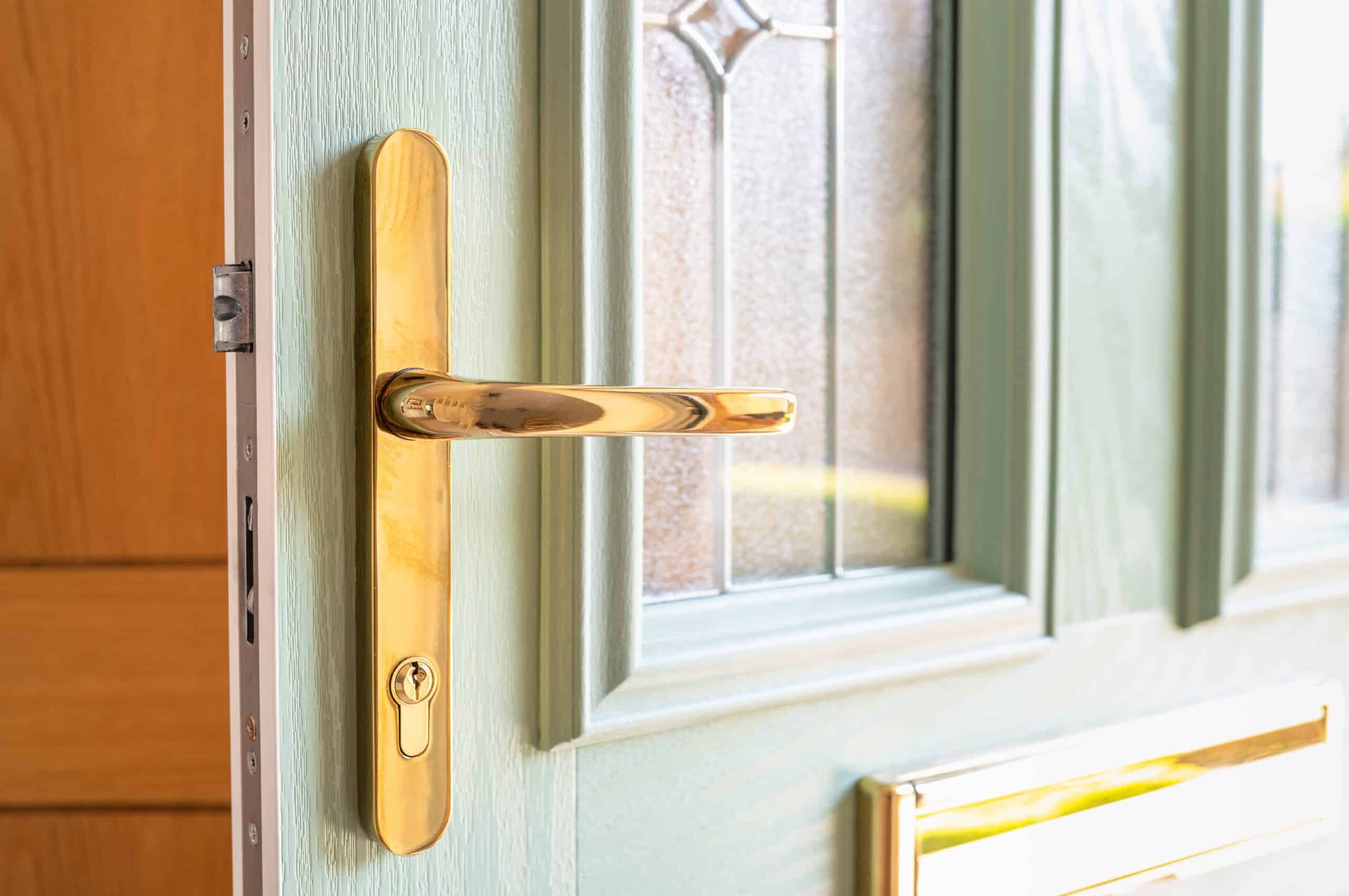
For timber doors, a BS 3621 mortice deadlock or sashlock is commonly recommended because it is widely recognised in the UK and often aligned with insurance expectations. For uPVC and composite doors, a 3-star euro cylinder is usually the better option because these doors rely heavily on cylinder quality.
If the property has multiple entry points, each external door should be assessed separately rather than fitted with the same lock type by default.
Insurance and compliance
Landlords should always check whether the property insurance policy specifies a minimum lock standard. Some insurers expect external doors to be fitted with British Standard locks or approved security-rated cylinders.
Even if a policy does not name a specific product, using recognised security standards can reduce the risk of issues after a claim. It also shows that the property has been managed responsibly.
Low-maintenance choices
A good rental lock should not create unnecessary headaches for the landlord or tenant. That means looking for durable hardware, easy key control, and simple replacement if a cylinder fails.
Keyed-alike systems can be useful for landlords managing multiple doors, but they should be planned carefully. Smart locks can also work in some rental setups, but they are not always the best choice if the goal is low maintenance and long-term reliability.
When to replace a rental lock
A lock should be replaced if it shows any of the following signs:
-
It feels loose or stiff.
-
Keys are hard to turn.
-
The lock is visibly old or damaged.
-
Tenants have moved out and key control is uncertain.
-
The property has recently been broken into or targeted.
It is also sensible to replace locks when a new tenancy begins, especially if the previous key history is unclear.
Best practice for landlords
The safest approach is to use a locksmith who can inspect the door type, recommend the correct standard, and fit the lock properly. Poor installation can weaken even a high-quality lock.
Landlords should also keep a clear record of lock changes, keys issued, and any security upgrades. That helps with tenant management and can be useful if there is ever a dispute or insurance claim.
Final thoughts
The right lock for a rental property is usually the one that offers proven security, works with the door type, and is easy to maintain. For most UK landlords, that means choosing a lock that meets recognised standards rather than relying on appearance alone.
If the property is due an upgrade, a professional assessment is the most practical first step.