Why a Stiff or Sticking Lock Could Affect Your Home Security and Insurance
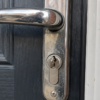
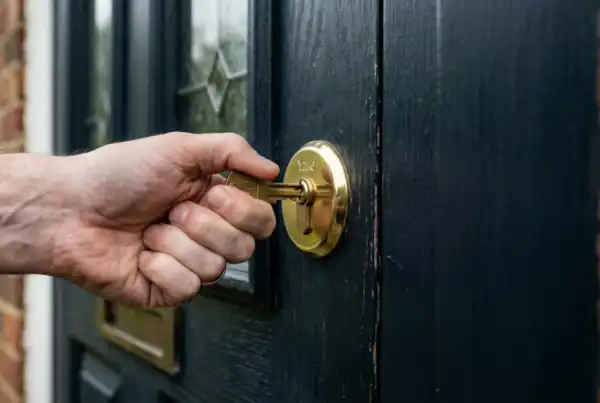
Many homeowners put up with sticking locks for months, sometimes even years. A key that needs a little extra force, a lock that occasionally jams, or a door that becomes harder to lock during certain weather conditions can seem like minor inconveniences.
However, a sticking lock is often an early warning sign of a security issue that shouldn’t be ignored.
At Watchdog Locksmiths, we regularly help homeowners across London, the Home Counties, who have experienced lock problems that could have left their property vulnerable or even affected their home insurance cover.
Why Do Locks Start Sticking?
There are several reasons why a lock may become difficult to operate:
Wear and Tear
Locks are mechanical devices that experience thousands of uses over their lifetime. Internal components can wear down, making the lock harder to operate and increasing the risk of failure.
Misaligned Doors
Changes in temperature, humidity, or general property movement can cause doors to shift slightly. Even a small misalignment can place extra pressure on the lock mechanism.
Dirt and Debris
Dust, dirt, and moisture can build up inside the cylinder over time, causing resistance when turning the key.
Poor Quality or Ageing Locks
Older locks often lack the durability and security features found in modern, insurance-compliant cylinders.
The Security Risks of Ignoring a Sticking Lock
A sticking lock is often the first sign that a lock is nearing failure. If the mechanism eventually seizes, you could find yourself:
- Locked out of your property
- Unable to secure your home properly
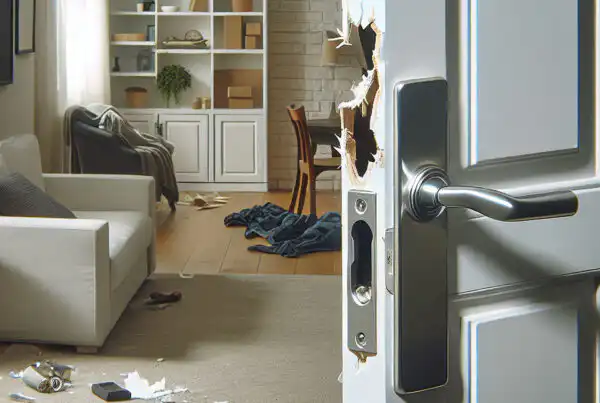
- Vulnerable to opportunistic burglars
- Facing costly emergency repairs
In some cases, older or damaged locks can also be easier for criminals to attack using methods such as lock snapping, picking, or drilling.
Could Your Home Insurance Be Affected?
Many homeowners are surprised to learn that their home insurance policy may include specific requirements relating to door and window security.
Insurers often expect external doors to be fitted with approved locking systems that meet current security standards. If a burglary occurs and it is discovered that locks were faulty, damaged, or not compliant with policy requirements, it could complicate a claim.
While every insurance policy is different, ensuring your locks are in good working order and meet recognised security standards is a sensible step towards protecting both your home and your cover.
What Does an Insurance-Compliant Lock Look Like?
Modern insurance-approved locks often include:
- British Standard (BSI) certification
- Anti-snap protection
- Anti-pick protection
- Anti-drill protection
- Secure multi-point locking systems where applicable
Watchdog Locksmiths specialise in installing high-security lock solutions, including BSI-approved 3 Star ALPS cylinders and other insurance-compliant products designed to help protect your property.
When Should You Get Your Locks Checked?
You should consider a lock inspection if:
- Your key sticks or catches when turning
- The lock feels stiff or difficult to operate
- You have recently moved into a new property
- Your locks are more than a few years old
- You are unsure whether your locks meet current insurance requirements
- You want additional protection against lock snapping and forced entry
Book a Professional Lock Check with Watchdog
A quick lock inspection today could help prevent a costly problem tomorrow.
Our DBS-checked locksmiths can assess your existing locks, identify any issues, and recommend suitable upgrades where necessary. We can also advise whether your locks meet modern security standards and help improve your property’s protection against common burglary methods.
With no call-out fee and fast local service, Watchdog Locksmiths provide practical security advice you can trust.
Get Protected by Watchdog
If you have a sticking lock or simply want peace of mind that your home is properly secured, contact Watchdog Locksmiths today to arrange a professional lock check.
Because when it comes to home security, it’s always better to deal with a small problem before it becomes a big one.