Is Your Home Insurance Valid Without a 3-Star Lock?
You pay your premiums every month, assuming that if the worst happens—a break-in or a burglary—your insurance company will have your back. But there is a “fine print” reality in the UK insurance market that many homeowners overlook until it’s too late: Minimum Security Requirements.
If your locks don’t meet the specific standards listed in your policy, your insurer could legally reject your claim, leaving you to foot the bill for stolen property and door repairs.
The “Reasonable Care” Clause
Almost every home insurance policy contains a clause stating you must take “reasonable care” to secure your property. While this sounds vague, insurers define “reasonable” through specific mechanical standards.
In the UK, the standard they look for is BS3621 (for mortice locks) or TS007 (for the Euro-cylinders found in uPVC and composite doors).
The 3-Star Reality for uPVC and Composite Doors
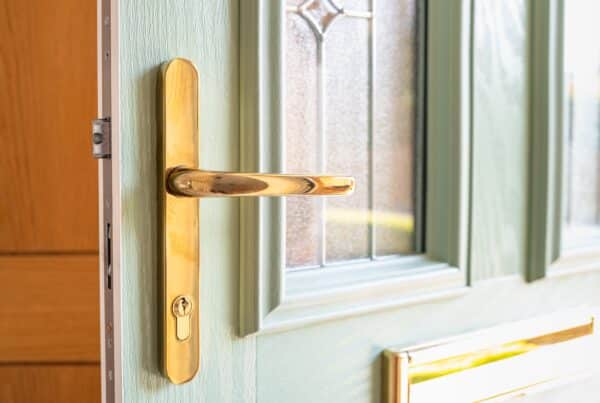
If you have a modern uPVC, composite, or aluminum door, it likely uses a Euro-profile cylinder. Because of the “Lock Snapping” epidemic, insurers are increasingly specific about these locks.
To be fully covered, your door hardware usually needs to reach a 3-Star rating in one of two ways:
- A Standalone 3-Star Cylinder: A high-security lock like the Watchdog Diamond range.
- A 1-Star Cylinder + 2-Star Security Handle: A combination that totals 3 stars.
The Risk: If you told your insurer you have “Multi-point locking doors” (which implies a certain level of security) but you are using a basic, unrated 1-star cylinder, the insurer may argue that the property was not secured to the standard you declared.
3 Signs Your Insurance Claim Might Be At Risk
1. The “Declarations” Gap
When you took out your policy, did you tick a box saying your doors have “BS3621 compliant locks” or “Approved security bolts”? If you have standard, non-kitemarked Euro cylinders, you have technically provided inaccurate information. In the event of a “clean” entry (like lock snapping), an assessor will check the hardware. If it’s not what you declared, the claim is void.
2. The “Lock Snapping” Loophole
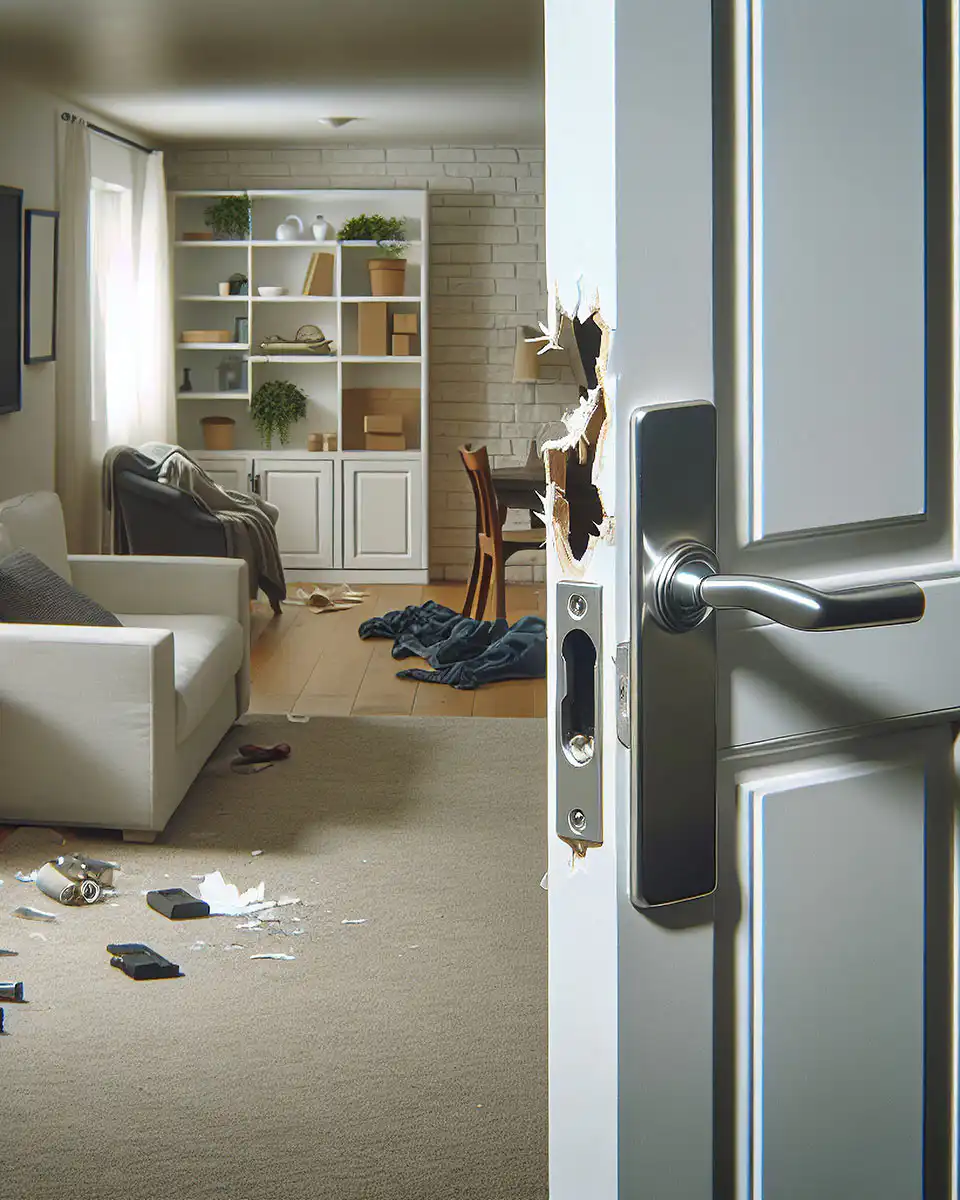
Standard locks leave a “visual signature” when snapped. If an insurance investigator sees that your lock was bypassed in seconds because it lacked anti-snap features, they may investigate whether your locks met the “Minimum Security Requirements” outlined in your policy’s Key Facts document.
3. High-Value Item Endorsements
If you have specified high-value items (jewelry, watches, or tech over £2,000), many insurers add a Security Endorsement. This often mandates the use of 3-star rated cylinders or Sold Secure Diamond hardware. Without them, your “Single Item Limit” coverage may be worthless.
How to Check Your Policy Today
Don’t wait for a burglary to find out if you’re covered. Take these three steps:
- Read the “Security Section”: Look for terms like “BS3621,” “TS007,” or “5-lever mortice.”
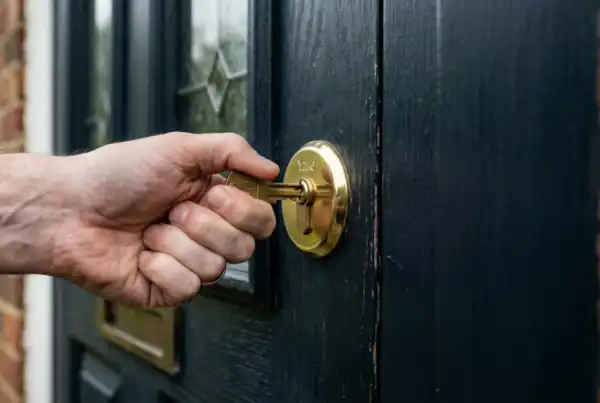
- Inspect the Face of Your Lock: Look for the Kitemark symbol. If there are no stars, or only one star, you are likely below the recommended insurance threshold for modern doors.
- Check for Protrusion: If your lock sticks out from the handle, it is an easy target for snapping—something insurers are increasingly penalizing.
The Bottom Line
Upgrading to a 3-Star Diamond Lock isn’t just about stopping burglars; it’s about “claim-proofing” your life. It ensures that if a thief does manage to get through, your insurance company has zero excuses to deny your payout.