Updated November 2026. Written by the Watchdog Locksmiths team in Greenford, West London. Our locksmiths are DBS-checked and our work carries a 12-month guarantee on parts and labour.
Key takeaways
- A commercial lock plan covers more than the front door: staff keys, master keys, escape routes, safes and what happens after a break-in.
- Master-key and keyed-alike systems cut the number of keys staff carry, while restricted keys stop unauthorised copies.
- Doors on escape routes must be easy to open from inside without a key. Fire safety law expects this.
- Change cylinders whenever a key holder leaves, and keep a simple key register.
Whether you run a shop on a high street, a small office or a unit in an industrial estate, your locks protect stock, equipment and people. A good lock set-up balances security with staff convenience and fire safety. This guide covers the main options for commercial properties in West London.
Commercial locksmith services businesses ask for
- Lock changes and upgrades on shopfronts, back doors, store rooms and offices. See our commercial lock change service.
- Emergency access when a lock has failed or keys are lost. See commercial emergency locksmith.
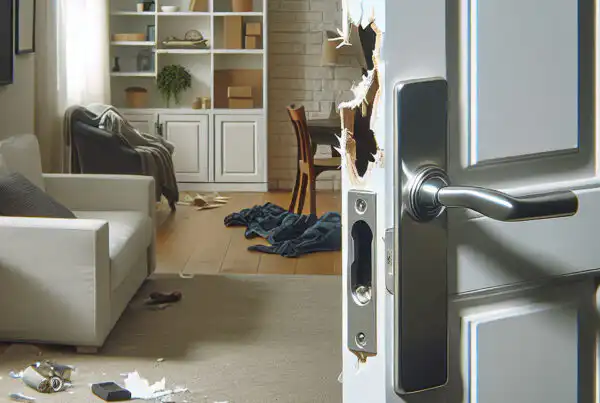
- Emergency board-up after a break-in. See commercial burglary and board-up.
- Safe opening and fitting. See commercial safe locksmith.
Master keys and keyed-alike systems
A keyed-alike system lets one key open several locks, so staff are not carrying a ring of keys. A master-key system goes a step further: each person has a key that opens only their doors, while a master key opens everything. Both reduce lost keys and give you more control over who can enter where. On our 2026 price list keyed-alike work starts from £9.99 on site, depending on the size of the system. For new Watchdog cylinders you can also order keyed-alike sets on the WD Locks shop.
Restricted keys
Restricted key systems use keys that cannot be cut at a high street kiosk. A copy needs the key code and authorisation from the owner. That matters for staff turnover and for landlords of shared premises.
Fire doors and escape routes
Commercial premises are covered by fire safety law. The Regulatory Reform (Fire Safety) Order 2005 expects escape routes to be easy to use, which means the door should open from the inside without a key. A thumb-turn euro cylinder lets staff leave quickly while the outside stays secure. Read GOV.UK’s workplace fire safety responsibilities and take advice from your fire risk assessor before changing locks on escape doors.
When to change commercial locks
| Trigger | Recommended action |
|---|---|
| A member of staff with keys leaves | Change or re-key the cylinders they could open |
| Keys are lost or stolen | Change the cylinders the same day |
| A break-in or attempted break-in | Replace damaged locks and have the doors checked |
| You take over new premises | Change all external cylinders so previous key holders no longer have access |
| Your insurer asks for higher-security locks | Upgrade to the standard they specify, such as BS 3621 locks or 3-star cylinders |
A simple key register, with names and dates, makes it much easier to know who holds what. If you are a landlord, our checklist for changing locks between tenants has more detail.
Free survey for local businesses
On our price list a survey or quotation visit within three miles of our Greenford office is free of charge. We look at your doors, the locks you have now and what your insurer may require, and give you a written quote. See the price list and our commercial locksmith page.
Frequently asked questions
What is the difference between keyed-alike and master key?
Keyed-alike means several locks open with the same key. A master-key system gives different people different keys, with one master key that opens all the locks.
Do commercial locks need to meet a standard?
Insurers often ask for locks that meet British Standards such as BS 3621 on external doors. Check your policy and ask us if you are unsure what yours needs.
Can you open a locked shop door without damage?
Often yes. We try non-destructive entry first and tell you before drilling if it is needed.
Can you secure a shopfront after a break-in?
Yes. We board up and secure openings and repair or replace locks so the premises can be locked the same day.
Want your business locks checked?
Contact Watchdog Locksmiths or send us a photo on WhatsApp and we will give you a clear quote before any work starts.